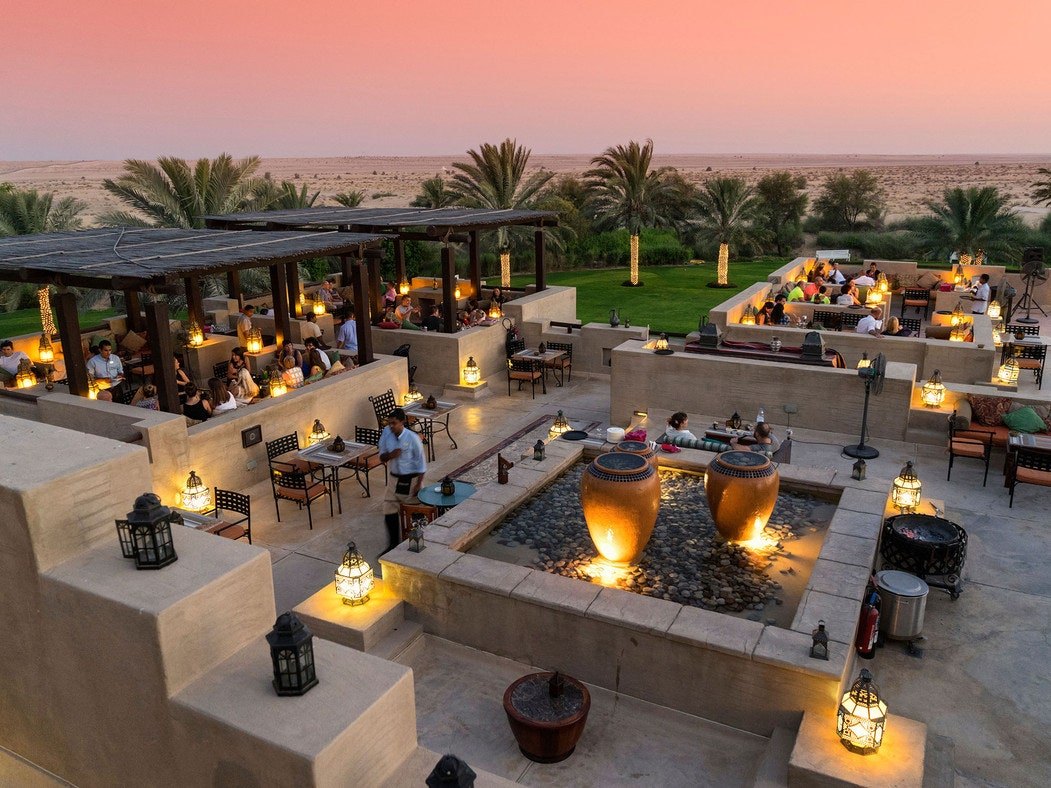
Stage 1 — Landmark Confidence
The first phase should be visually strong enough to establish momentum, attract attention, and demonstrate seriousness.
Stage 2 — Program Expansion
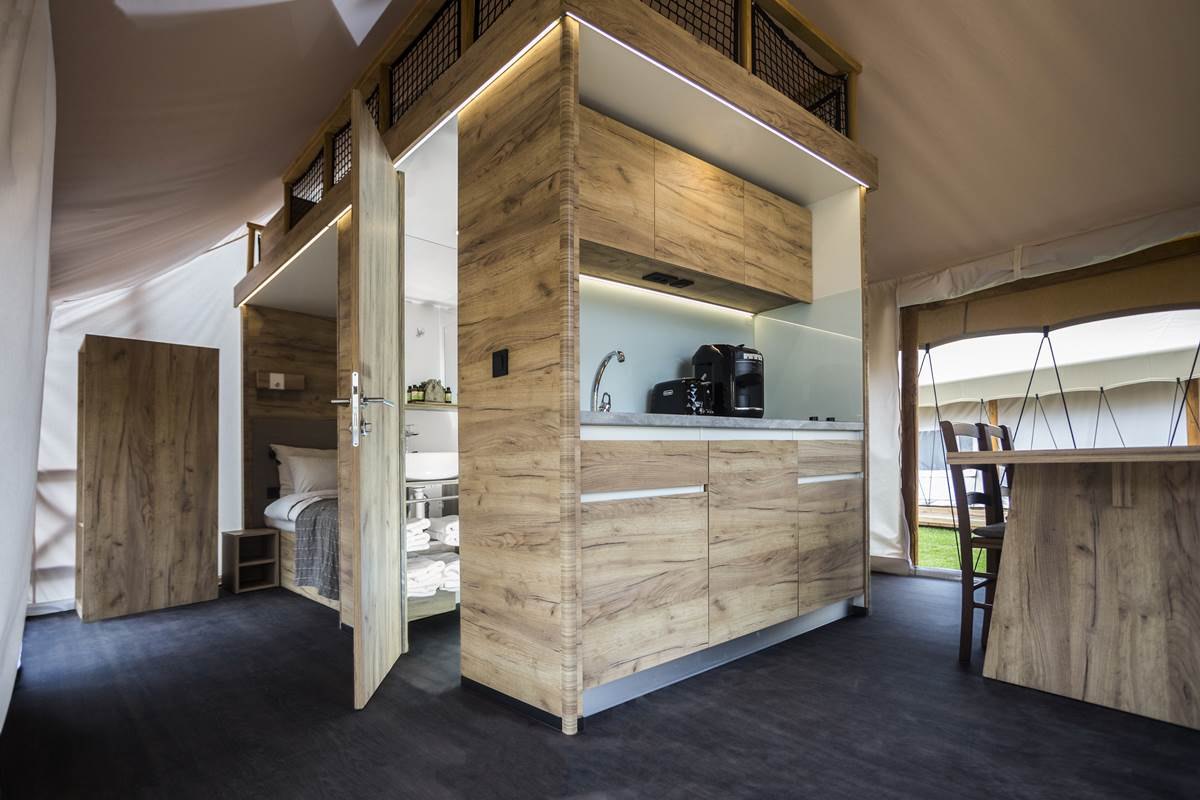
Accommodation, dining, events, and supporting infrastructure expand once the destination identity is established.
Stage 3 — Regional Asset
The final goal is not a single hospitality product, but a long-term regional destination asset with stronger public and private value.
A destination narrative people can believe in
Before investors study spreadsheets, they assess coherence, quality, ambition, and the sense that a project deserves to exist. Strong projects show where value comes from and why the destination is differentiated.
- Distinctive visual positioning
- Program clarity and premium logic
- Regional scarcity or uniqueness
- Phasing discipline
Higher tone creates stronger project confidence
A premium destination structure helps justify higher expectations for visitors, partners, public visibility, and commercial quality. The project becomes easier to discuss, easier to support, and easier to remember.
- Better destination branding
- Stronger negotiation position
- Greater attraction for premium operators
- Longer-term value perception
How we help structure the case
Asset Reading
We identify the physical and narrative conditions that make the destination distinctive.
Product Logic
We define accommodation, event, and hospitality mix appropriate to the landscape and ambition.
Delivery Sequence
We shape a staged route that can build confidence with an initial high-impact phase.
Opportunity Narrative
We help frame the project so that its logic and value are easier to communicate.
Curated visual references
Selected uploaded and generated imagery integrated into the Kuhnpohl China visual system.